02 — The Demonstration
SEEING WHAT
WAS THERE
A guided journey. Deconstructing what seemed self-evident.
01
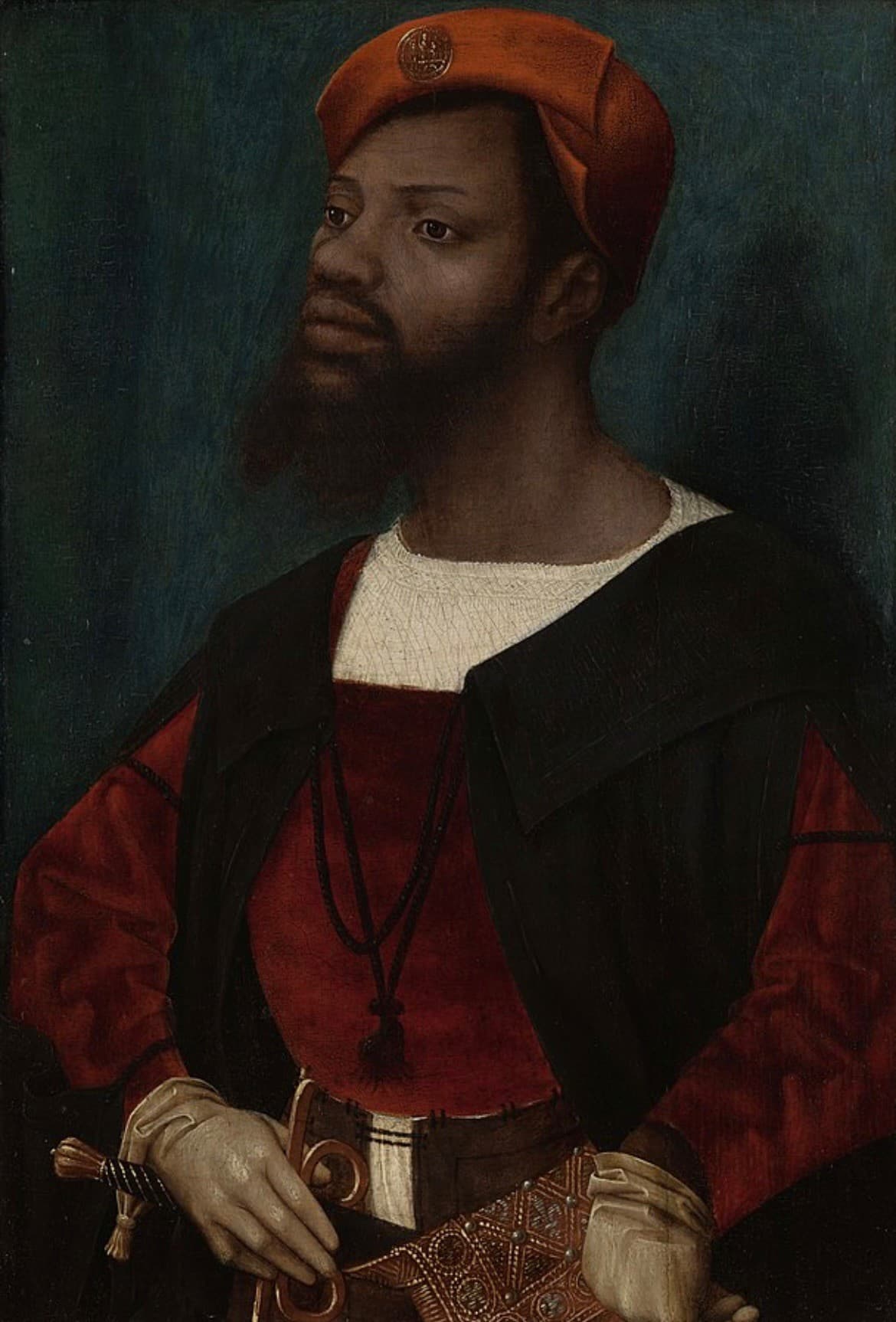
He is already there.
In the early 16th century, a Black man was portrayed in Europe as a fully-fledged individual, without any sense of exoticism or visible servitude.
Everything points to status, recognition, and a place at the heart of power. But his story remains fragmentary, suspended in the silences of the archives.
Portrait of an African Man (Christophle le More?)
Rijksmuseum, Amsterdam, Netherlands
Identification status: uncertain
What does it mean to be seen without being fully told?
02
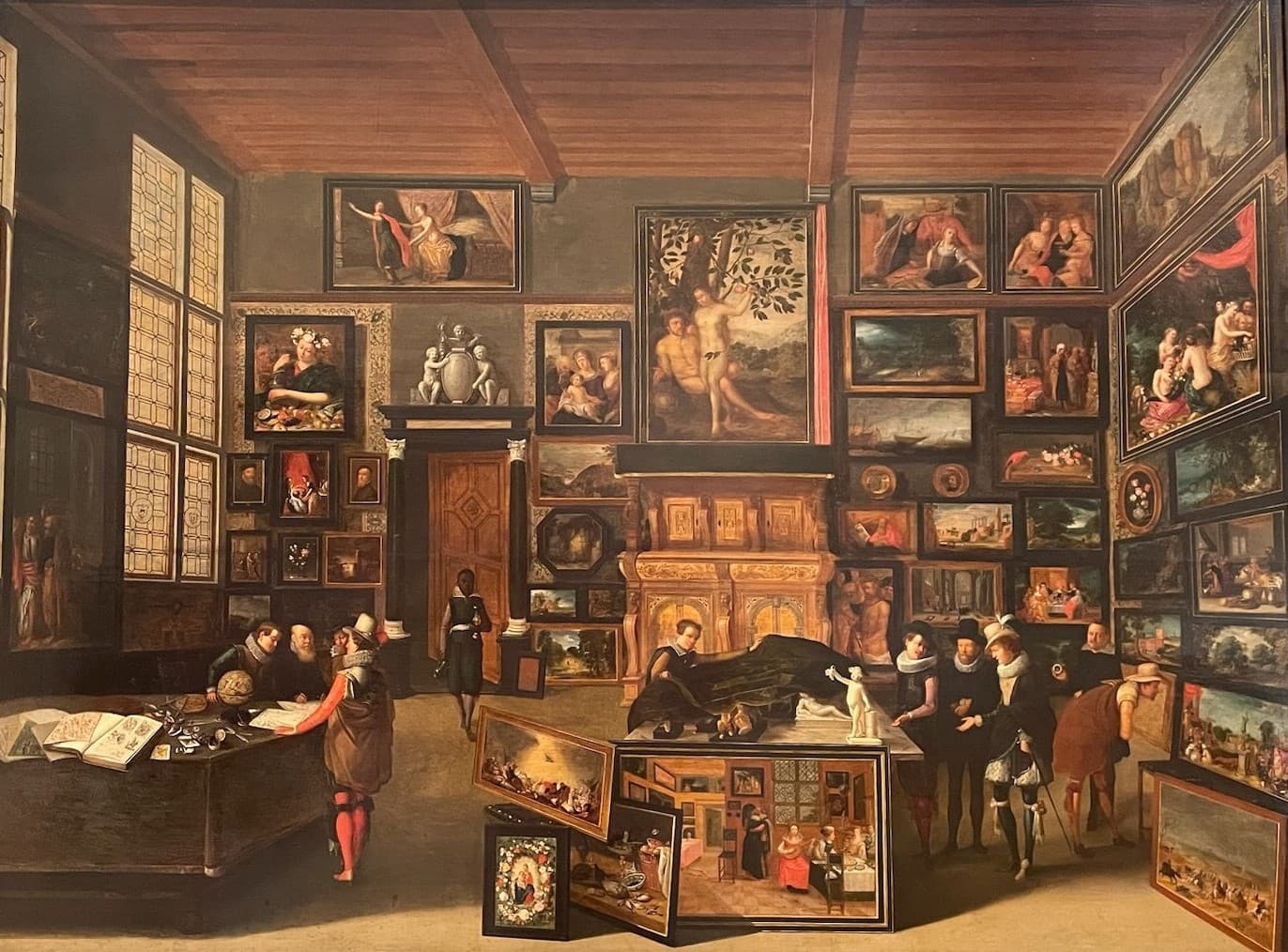
The key figure is not who you might think.
In this princely gallery overflowing with artworks, a young Black boy walks across the space, at the center of the composition.
He does not look at the paintings: he connects them, brings them into circulation. Present, active, yet without narrative.
Archduke Leopold Wilhelm in his Picture Gallery
Vienna Museum of Art History, Vienna, Austria
Identification notice: pending
Who keeps the gallery running while others write its history?
03
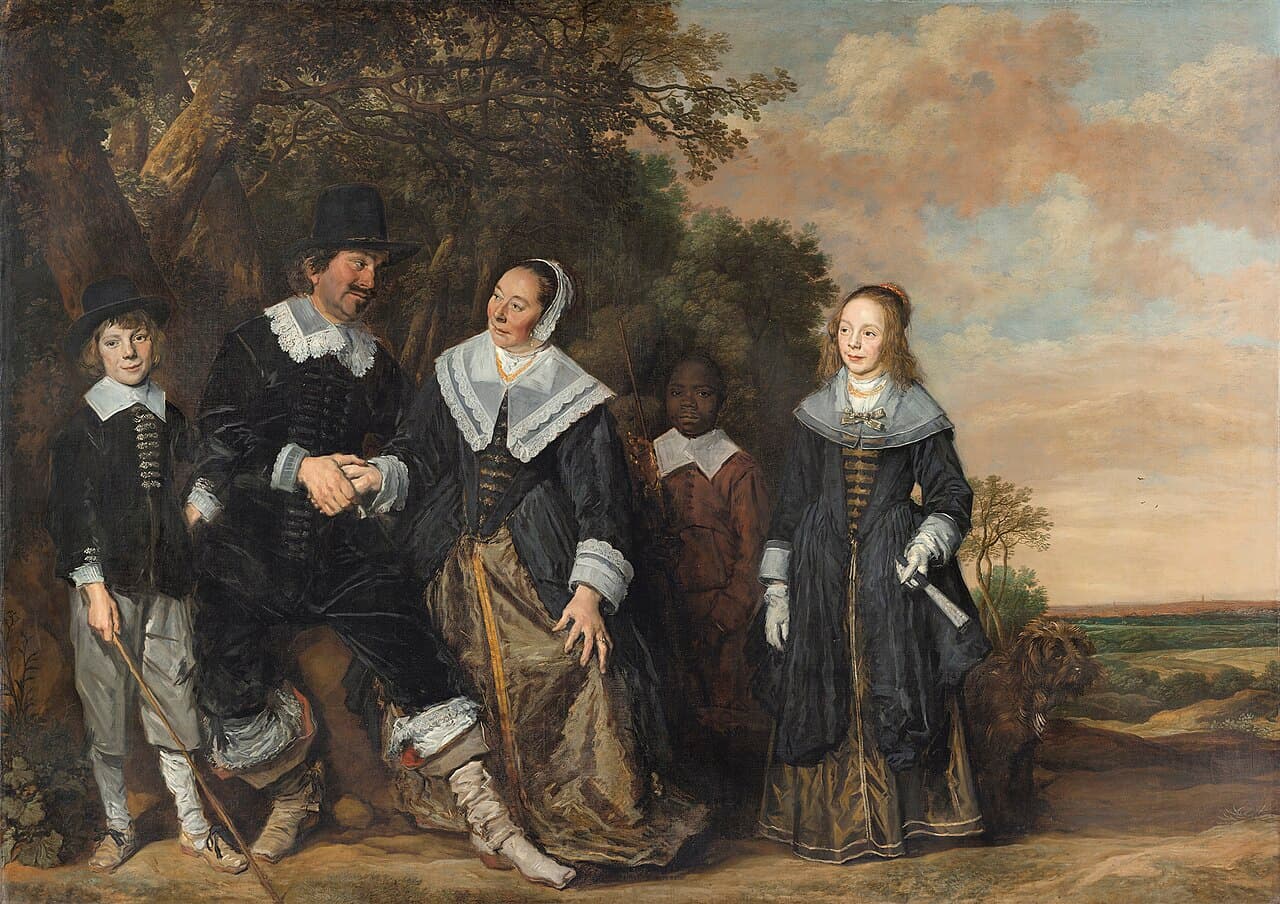
A family portrait. Or almost.
In this peaceful scene, a Black child appears, integrated, silent, motionless.
His presence is rendered ordinary—too ordinary to be questioned. He looks at us, even though the scene does not depict him.
Family Portrait in a Landscape
Thyssen-Bornemisza Museum, Madrid, Spain
Identification notice: pending
When familiarity becomes a blind spot in our gaze.
04
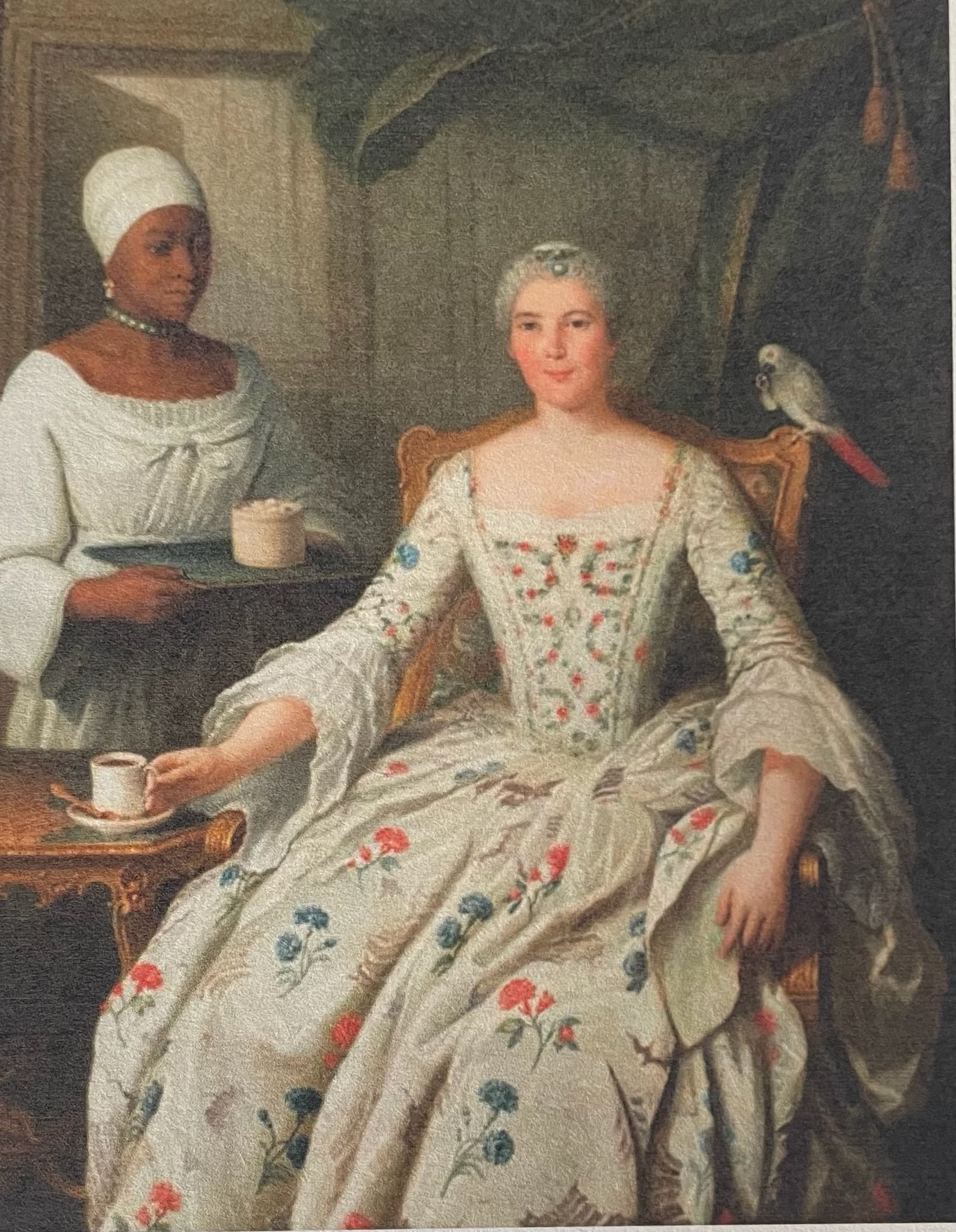
Everything is named. Except her.
Marguerite Deurbroucq is identified, situated, archived. The Black woman who serves her is visible, painted with care, but without a name or a story.
This asymmetry is not an oversight: it is a system.
Marguerite Deurbroucq, née Sengstack, and a woman living in slavery in Nantes
Nantes History Museum, Nantes, France
Identification notice: pending
Why are some lives shown without ever being told?
05
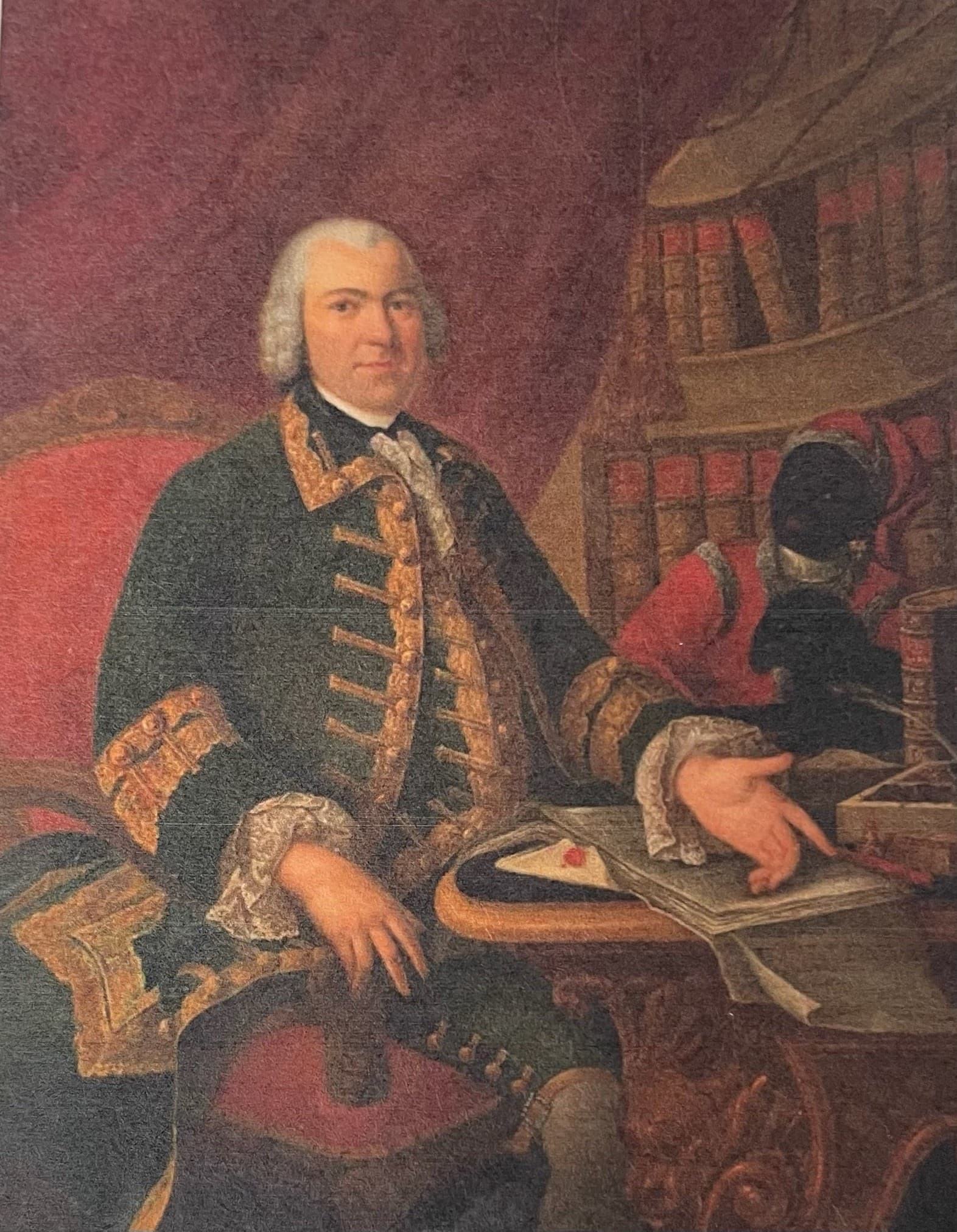
Look at what the eye overlooks.
In the center, a merchant from Nantes; in the background, a child reduced to slavery. For a long time, only the patron's success captured people's attention.
To name the child today is to shift the focus of the narrative.
Dominique Deurbroucq and a young boy living in slavery in Nantes
Nantes History Museum, Nantes, France
Identification notice: pending
How can we learn to see what has been kept on the margins?
06
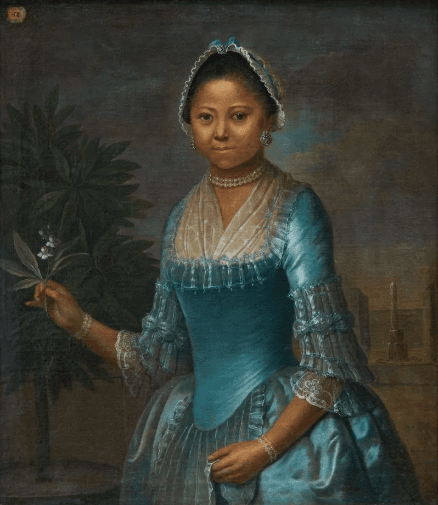
There is nothing spectacular about it. And that is what makes it so significant.
When the painting was acquired in January 2020, the subject, the artist, and the date of the portrait were all unknown. She is Eleonora Susette—born to an enslaved mother around 1756 in Berbice, a Dutch colony in present-day Guyana—who was forced to work alongside her mother for the colony's governors.
After six years of research and the unexpected convergence of two lines of inquiry, her identity was established. The work, renamed "Portrait of Eleonora Susette" (1775), is attributed to the German artist Jeremias Schultz. Today, her image, her name, and her story live on at the Art Gallery of Ontario.
Portrait of Eleonora Susette
Art Gallery of Ontario, Ontario, Canada
Identification Record: 2026
What do the silences of European archives tell us?
07
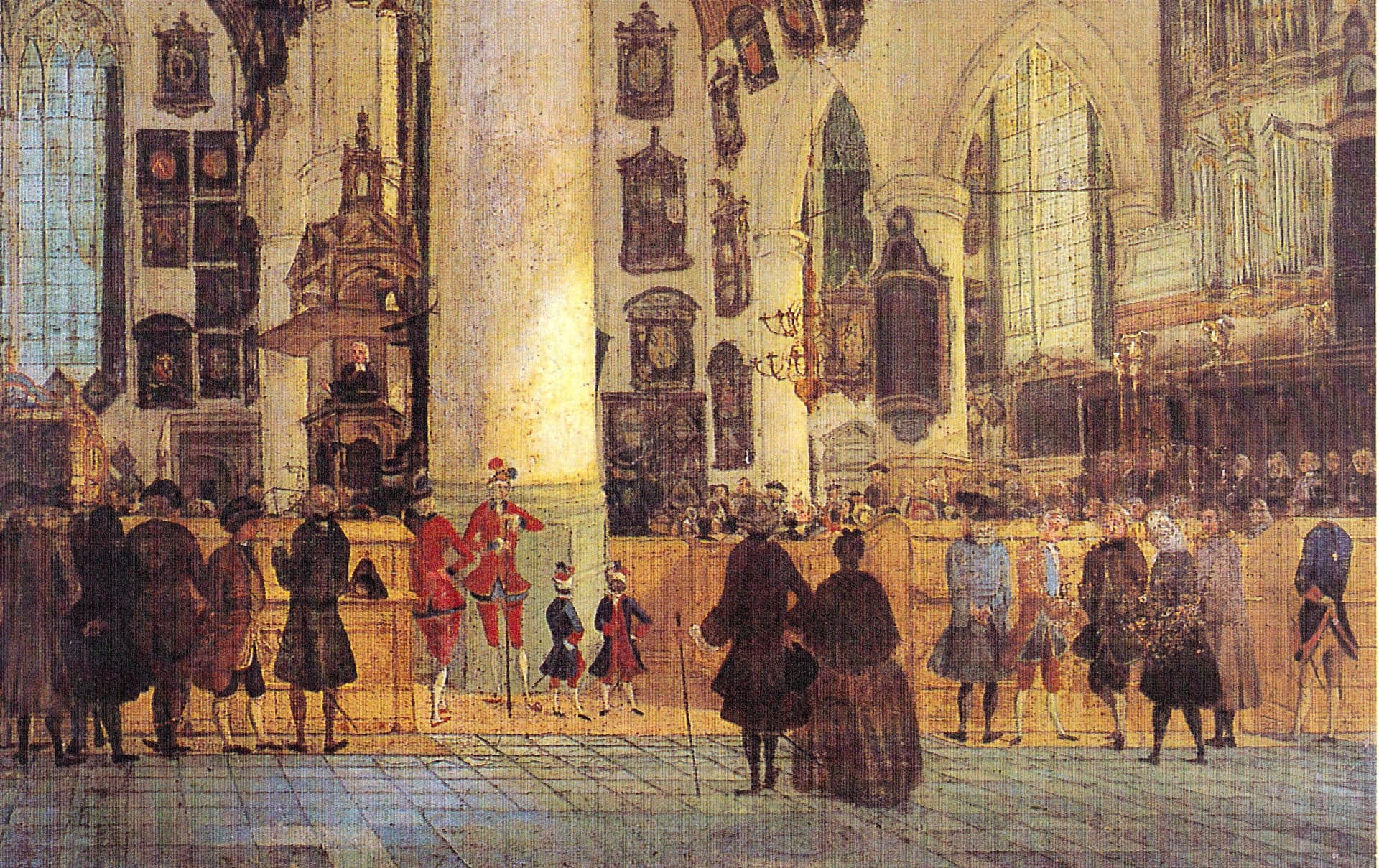
Two children at the center of power.
Cupido and Sideron served the House of Orange their entire lives—visible, named, and ever-present. Yet their personal stories remain absent from the grand narratives.
Being seen has never guaranteed being heard.
Cupido and Sideron in the Great Church of The Hague
Historical Collection of The Hague, The Hague, Netherlands
Identification notice: 2003–2017
How can we reintegrate these life stories into the collective memory?
08
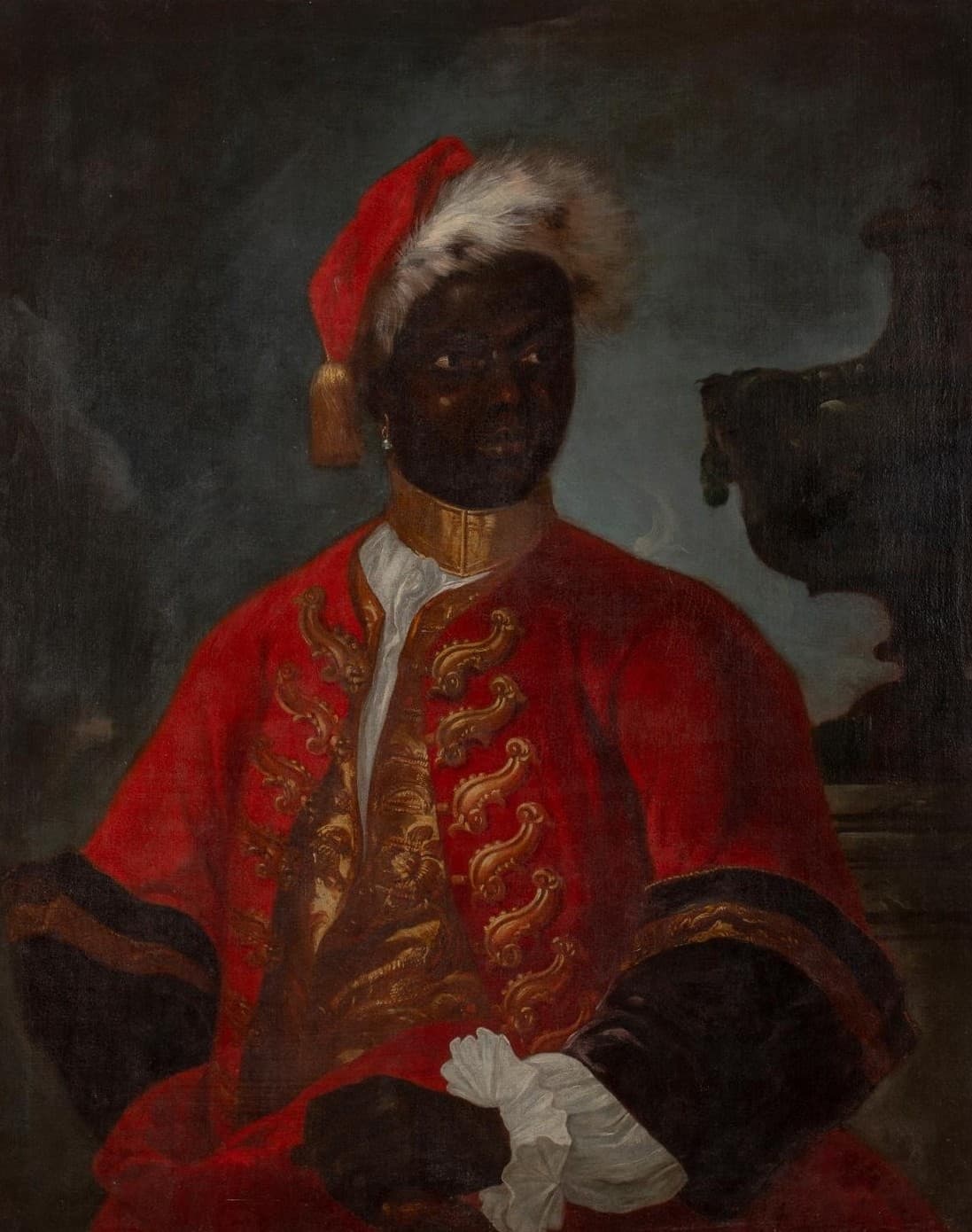
Everything here exudes prestige. And yet.
A Black man, adorned in sumptuous livery, stands alone at the center of the portrait. But the metal collar introduces a tension: visual distinction or silent bondage?
Caught between the nobility of convention and the constraints of status, the image remains deliberately ambiguous.
Portrait of a 'Scarlet Retainer'
Barbados Museum & Historical Society, Bridgetown, Barbados
Identification notice: research in progress
When the language of power masks relations of domination.